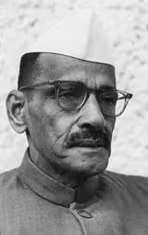
Three of India's prime ministerial terms have only lasted thirteen days each. In 1964, after the death of Jawaharlal Nehru, there was a void at the top post as factions within the Congress decided on who would be come the next Prime Minister of India. In the interim period which lasted thirteen days, it was Gulzarilal Nanda who stepped in as a caretaker PM. The party eventually preferred Lal Bahadur Shastri over Morarji Desai.
Less than two years later, however, Nanda was requested to perform the same duty again when Shastri died of a heart attack in Tashkent. He was the caretaker Prime Minister of India again for thirteen days until Indira Gandhi was installed as PM.
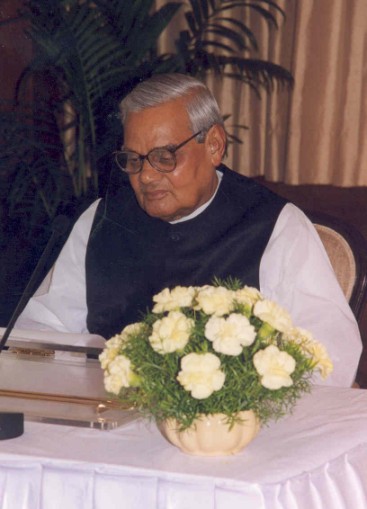
Fast-forwarding about thirty years brings us next to 1996 and Atal Bihari Vajpayee's first term as Prime Minister. The BJP was invited by President Shankar Dayal Sharma to form a government and Vajpayee was sworn in as PM. But his tenure only lasted thirteen days as his party could not muster a majority.
Vajpayee did return to power two years later and served as PM for over six years.