buddhism

Moksha is a language of Russia spoken by the Moksha people in the Republic of Mordovia. A river of the same name flows through the region.

The Panchen in Panchen Lama is a portmanteau of the Sanskrit pandit and the Tibetan chenpo (meaning great).

Amidst the tens of thousands of names of monarchs that crowd the columns of history, their majesties and graciousnesses and serenities and royal highnesses and the like, the name of Asoka shines, and shines, almost alone, a star. From the Volga to Japan his name is still honoured. China, Tibet, and even India, though it has left his doctrine, preserve the tradition of his greatness. More living men cherish his memory to-day than have ever heard the names of Constantine or Charlemagne.
Until around the 20th century, the cow was considered sacred (and beef taboo) in Japan, China, and other parts of South East Asia. It was also similarly considered in Ancient Egypt.

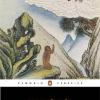
Griddhraj Parvat or Vulture Peak in Madhya Pradesh was the final destination of the classic Chinese epic, Journey to the West. Hieun Tsang and his companions travel from China to a temple on Vulture Peak to retrieve Buddhist sutras in order to enlighten their country.

India's first nuclear test was conducted in 1974 in Pokharan, Rajasthan. It was codenamed Smiling Buddha.

天竺, pronounced Tianzhu in Chinese and Tenjiku in Japanese were the early names for India in China and Japan respectively. They both mean heavenly centre (or spiritual centre in reference to India being the birthplace of Buddhism).